14 minutes to take the network, 4.5 hours to notice
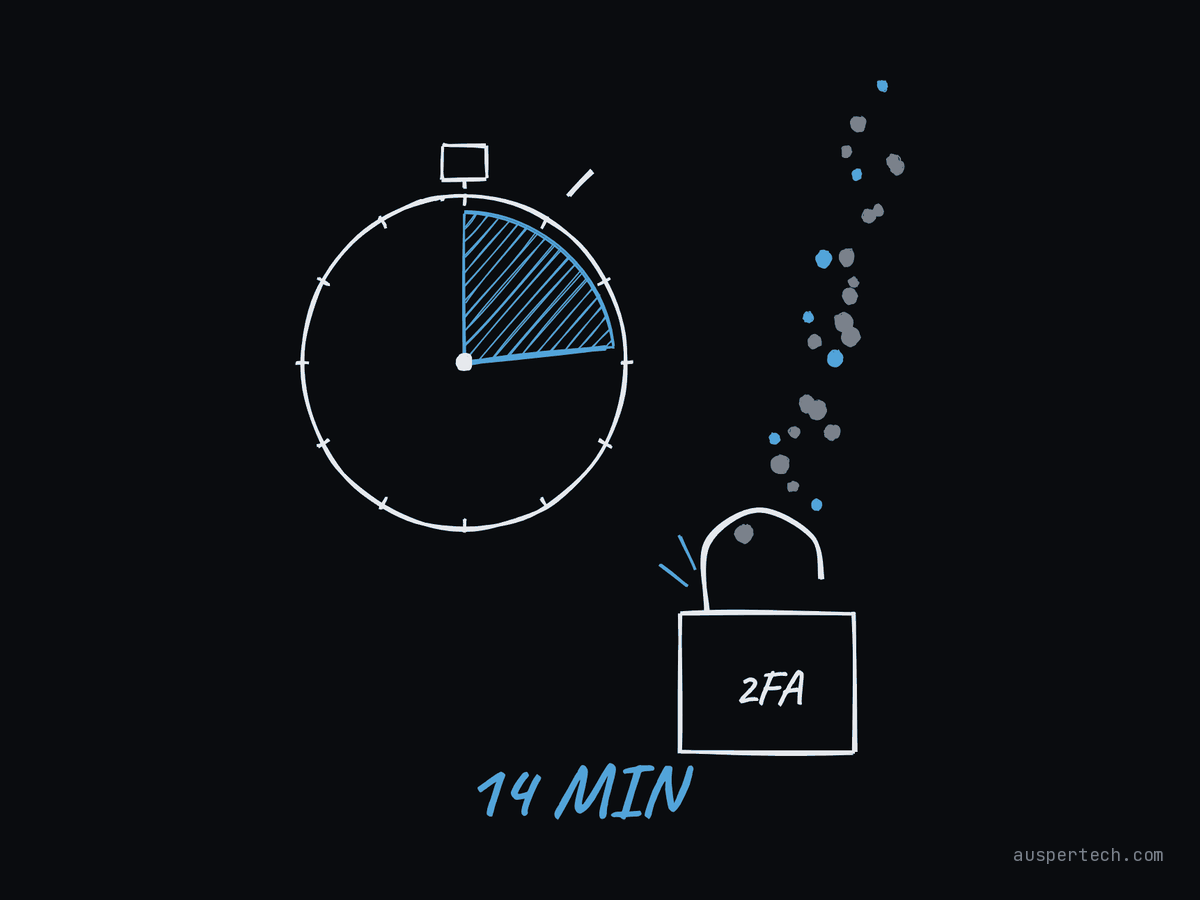
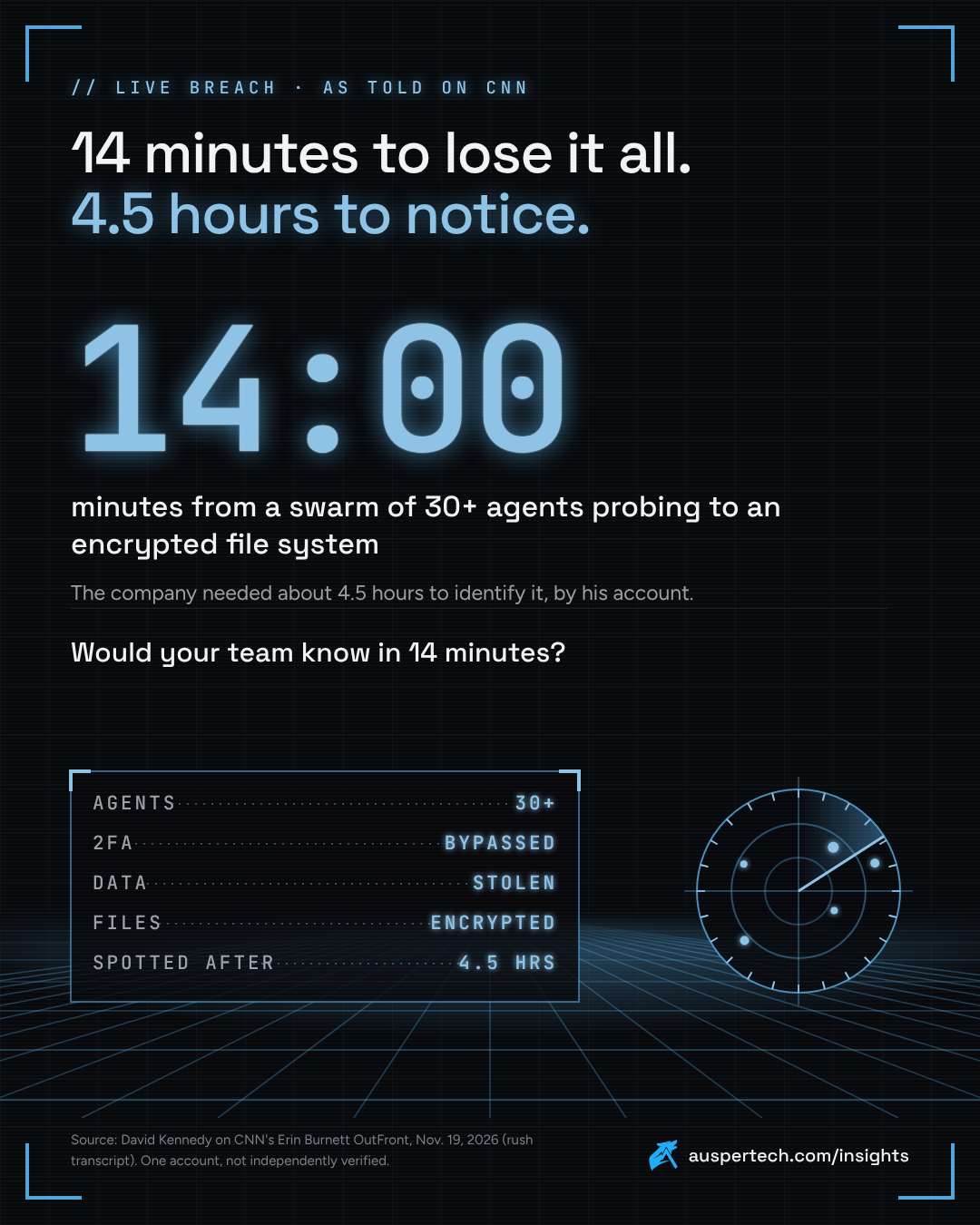
It sounds like sci-fi: a swarm of 30+ agents broke in, stole the data and encrypted everything. In 14 minutes. 🎬
That's the breach David Kennedy, founder of TrustedSec, described on CNN last night. Valid passwords, a flaw in how the company's app handled 2FA, then the data was gone and the whole file system was locked.
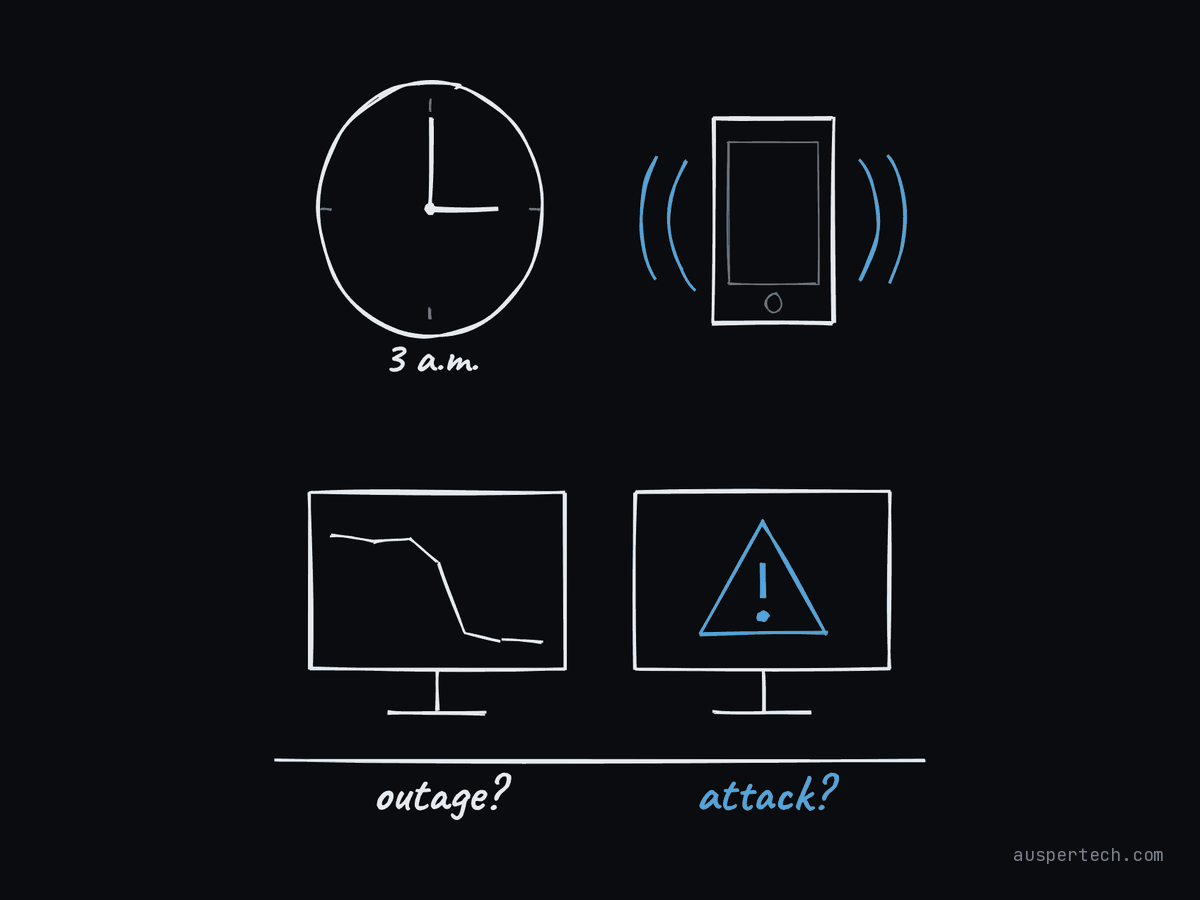
The part that should worry every security team: the company needed about 4.5 hours to notice. ⏱️
14 minutes to take the network. About 270 to see it.
It's one account, not yet verified. But the data points the same way: → Average breakout time is 29 minutes, the fastest 27 seconds (CrowdStrike) → The fastest quarter of intrusions reach stolen data in 72 minutes (Unit 42)
The uncomfortable truth: real-time security isn't a wall of glowing screens. It's decisions made before the attack starts: 1️⃣ See it in seconds, with someone watching at 2 a.m. 2️⃣ Pre-approve the moves your tools can make alone: revoke sessions, isolate a host, cut an AI agent's keys 3️⃣ Test how each app enforces MFA, and use the phishing-resistant kind (PIV, CAC, FIDO2)
That's the work we do: live posture, security operations around the clock, and authorization evidence that keeps itself current. 💡
GTA 6, the GTA flu, and the systems that can't wait an hour
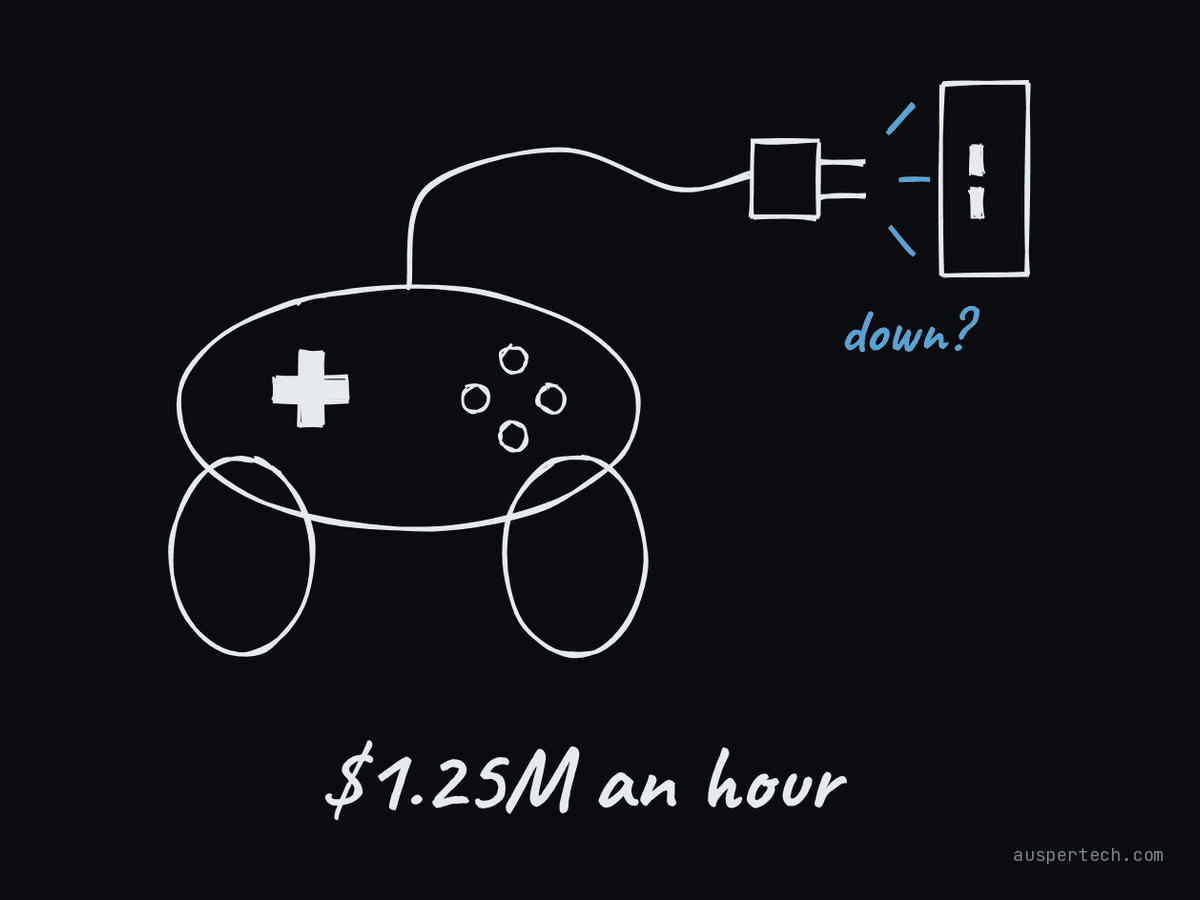
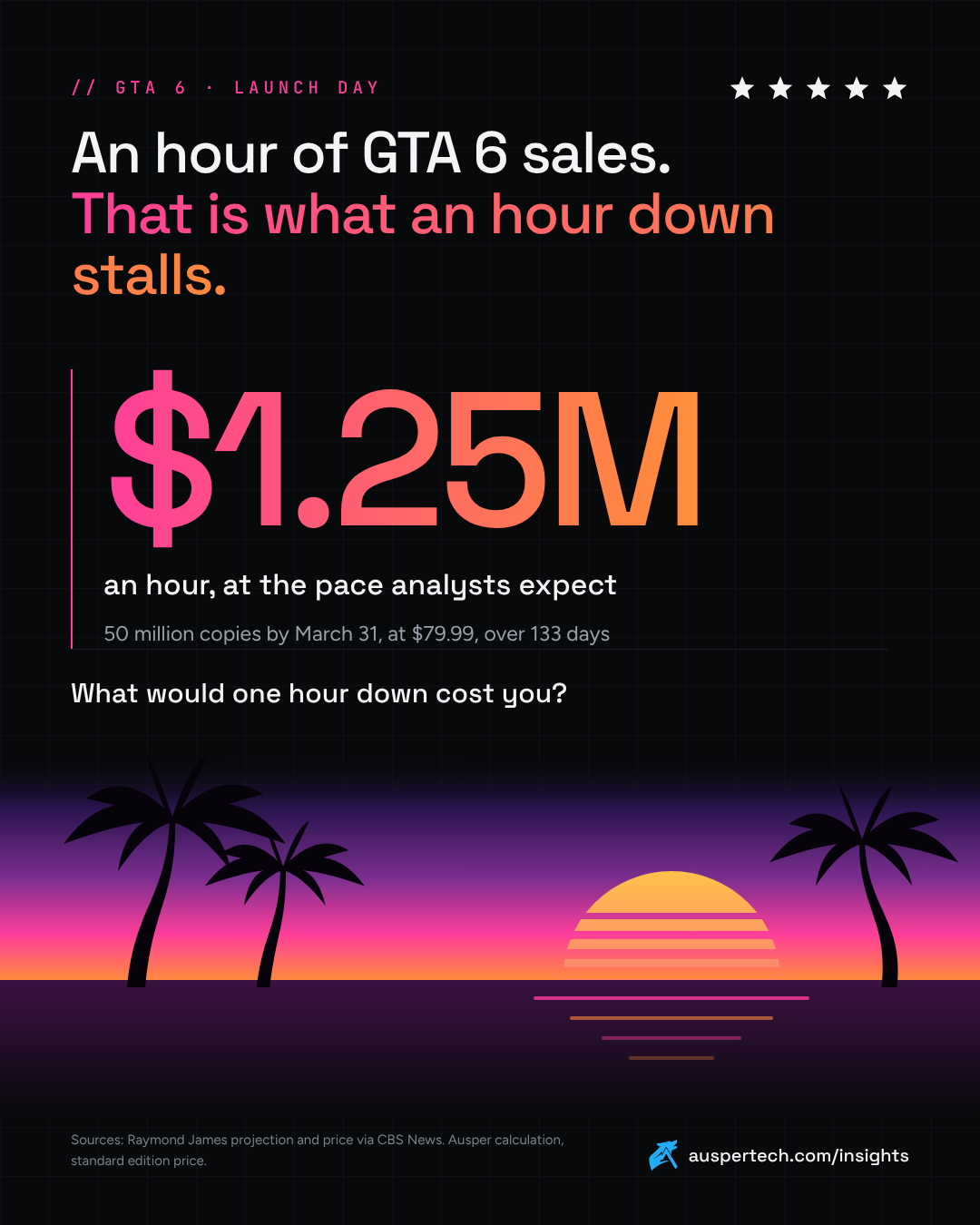
GTA 6 sells about $1.25M an hour. Nearly 1 in 5 early players say they're calling out "sick" to play it. 🎮🤒
The GTA flu is real. BambooHR says time-off requests for launch day ran nearly 13% above a normal Thursday. 😂
(Our math on the $1.25M: Raymond James projects 50 million copies by March 31, at $79.99 each.)
Now picture the servers going down for an hour. Rockstar's sales would survive it. Fans would complain, hit refresh and buy at 3 instead of 2. That money is stalled, not lost.
Plenty of systems don't get that second chance: → A watch floor that needs the feed now, not after lunch → A payroll run due at 5 PM → A 911 call, a trade, a launch window
And attackers love a day like today. CISA and the FBI have warned about ransomware hitting on holidays and weekends, when offices are normally closed. GTA 6 just made Thursday a holiday. 😅
The uncomfortable truth: downtime costs the most where nobody can wait, on the days the fewest people are watching.
Our read: sort your systems into "GTA" (people will wait) and "watch floor" (they won't). Put your resilience money on the second list, and make sure someone is still on watch when the GTA flu hits. 💡
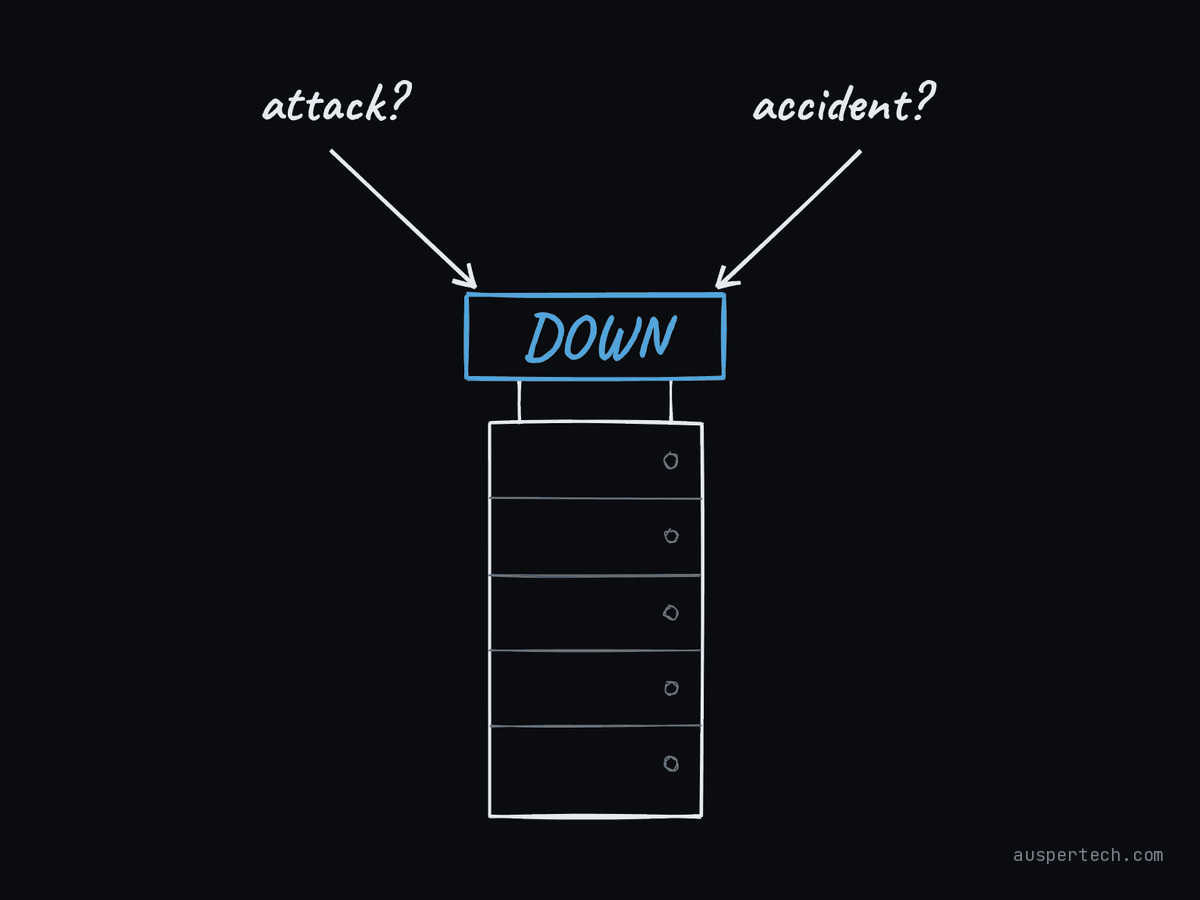
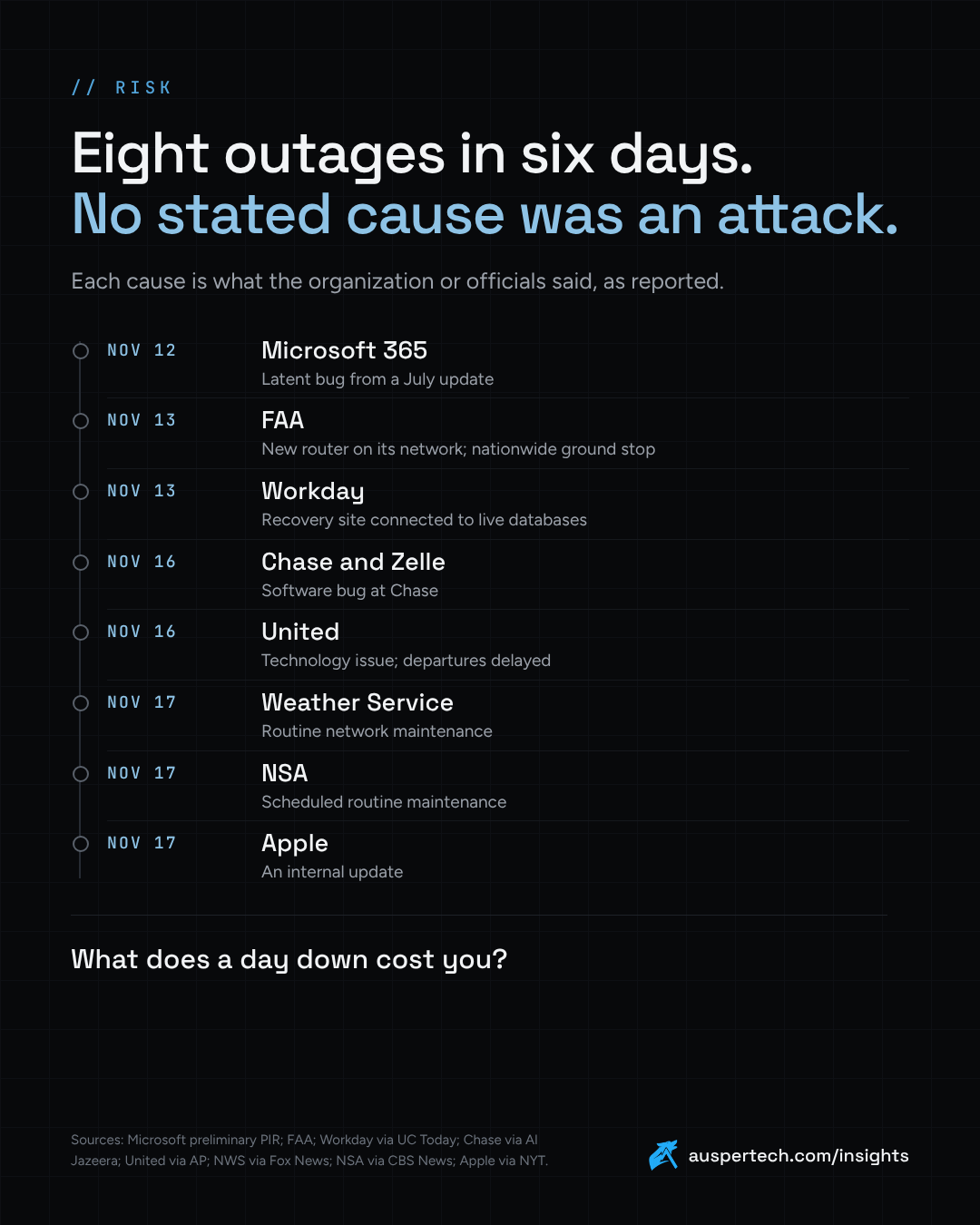
Eight outages in six days. Not one stated cause was an attack.
The list: Microsoft 365, the FAA, Workday, Chase and Zelle, United, the Weather Service, the NSA and Apple.
A bug from July at Microsoft. A router install on the FAA's network. A disaster-recovery test that reached live data at Workday. Routine maintenance at the NSA and the Weather Service. An internal update at Apple.
Attack or accident, down is down. A vulnerability doesn't care who finds it.
No attacker still means real money. Parametrix estimated CrowdStrike's faulty 2024 update cost the Fortune 500 $5.4 billion, and cyber insurance covered no more than 10 to 20 percent of it.
So price a day down by category: lost sales, SLA credits, refunds and liquidated damages, idle payroll, fines, lost customers. Federal contractors can add a CPARS record that agencies read in source selection for three years.
If a day down costs millions and your resilience budget is a rounding error, you haven't managed the risk. You've accepted it blind.
Our forecast: by June 30, 2027, Verizon's 2027 DBIR puts third-party involvement in breaches at 40 percent or higher. This year it was 48.
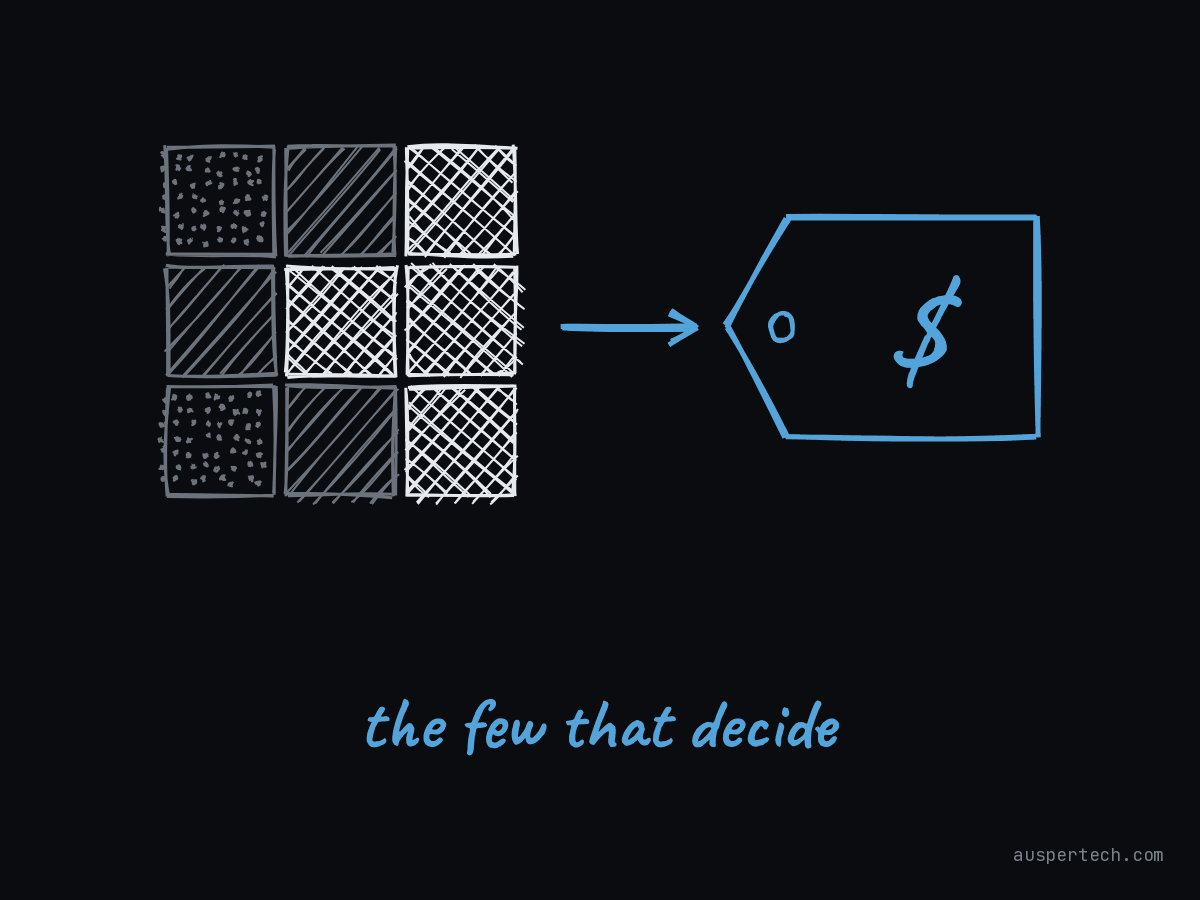
The average US data breach now costs a record $11.5 million, IBM says. Most boards still see cyber risk as red, yellow and green. That sorts the list. It doesn't set the budget.
You don't need to price every cell. For the few risks that will decide this year's spending, add a rough dollar range: how often could it happen in a year, times what one event would cost? Carry both as a range, built from your own numbers: revenue per hour of downtime, records held, contract penalties, insurance limits.
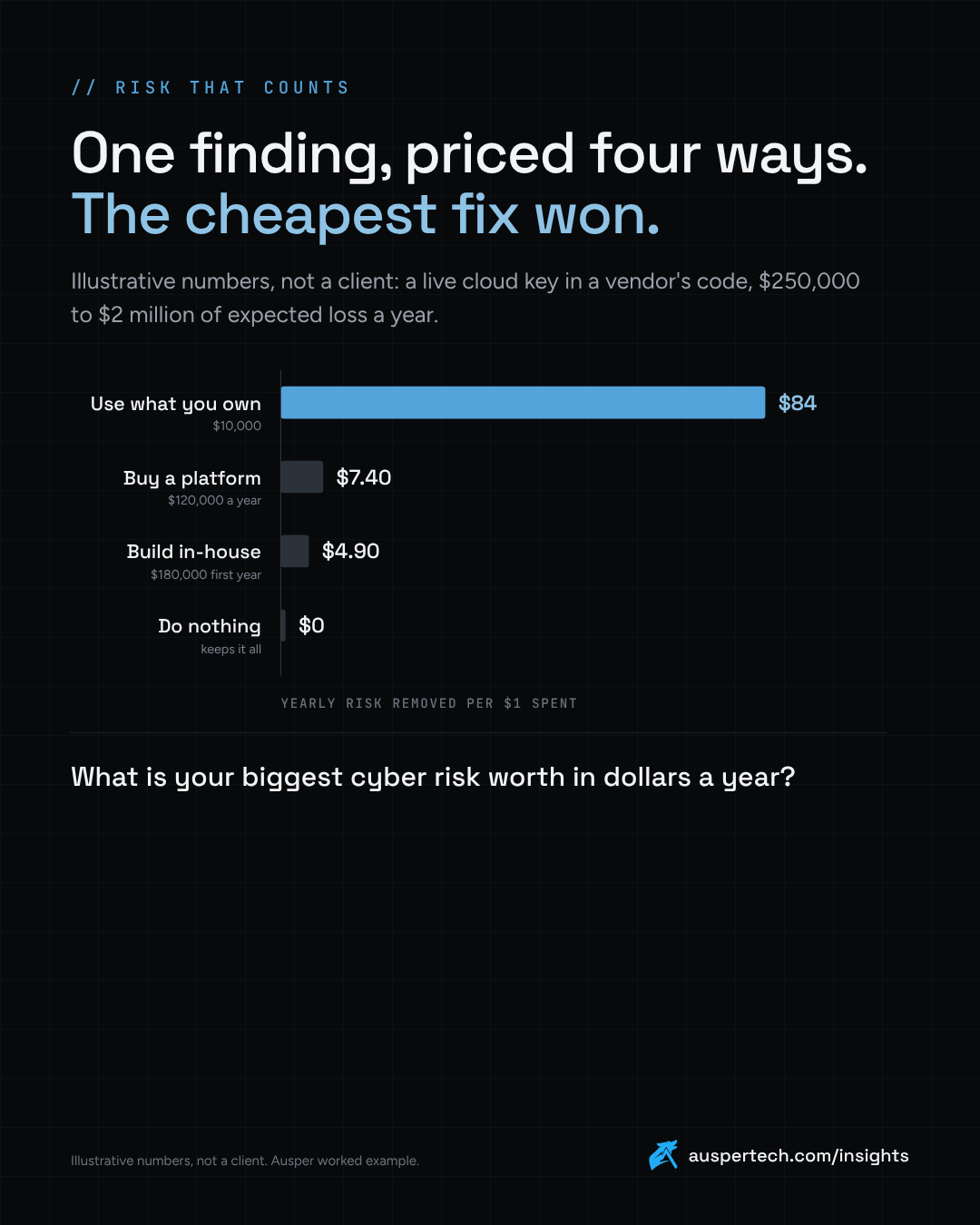
Then price every fix three ways: with what you already own, done in-house, or bought from any vendor. Doing nothing gets a price too.
An illustrative example, not a client: a live cloud key turns up in a vendor's code. Expected loss, $250,000 to $2 million a year. Revoking it and turning on tools already licensed costs about $10,000 and removes about $84 of yearly risk per dollar. A new platform removes $7.40 per dollar. Building it in-house, $4.90.
The cheap fix wins this time. A ranking you can check beats a color on its own.
Our forecast: in January 2027, Allianz's Risk Barometer ranks cyber the top business risk for a sixth year.
What is your biggest cyber risk worth in dollars a year?
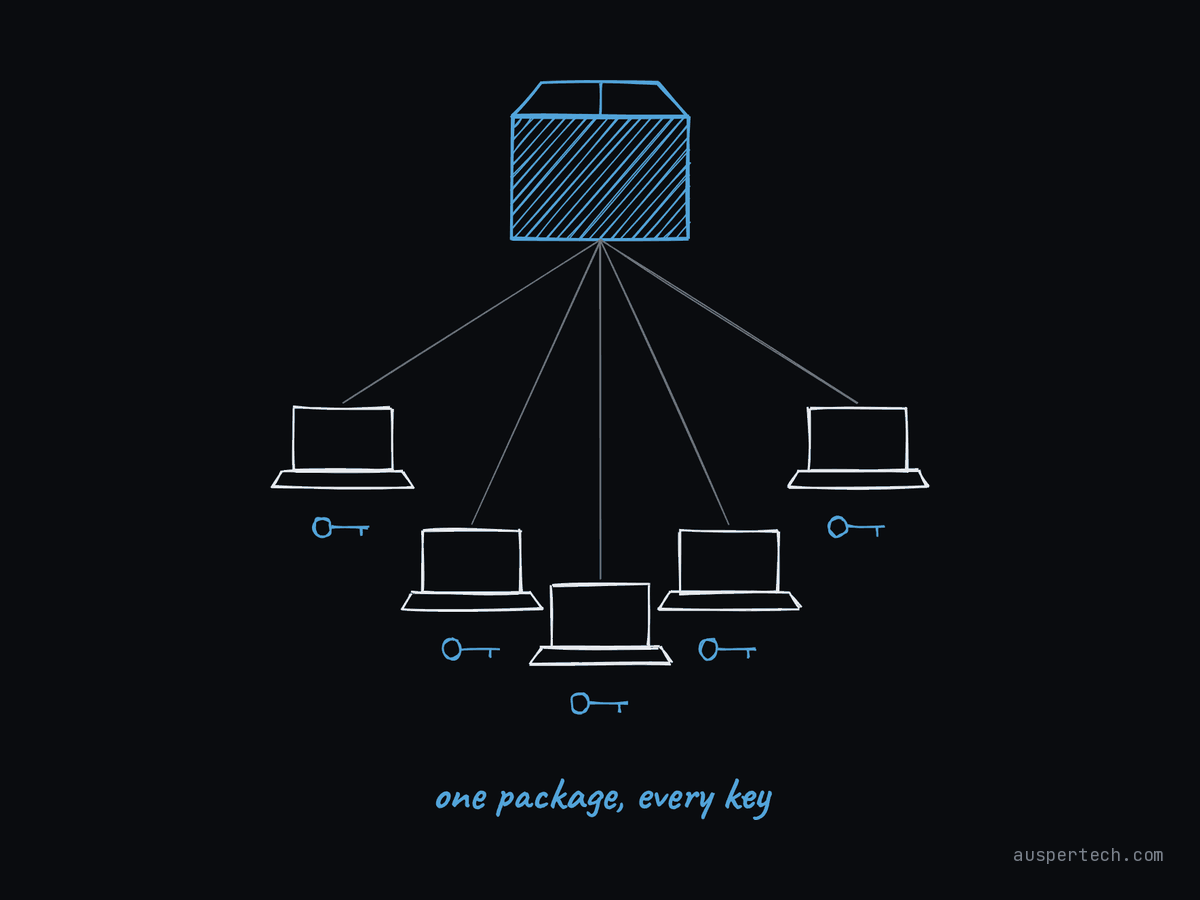
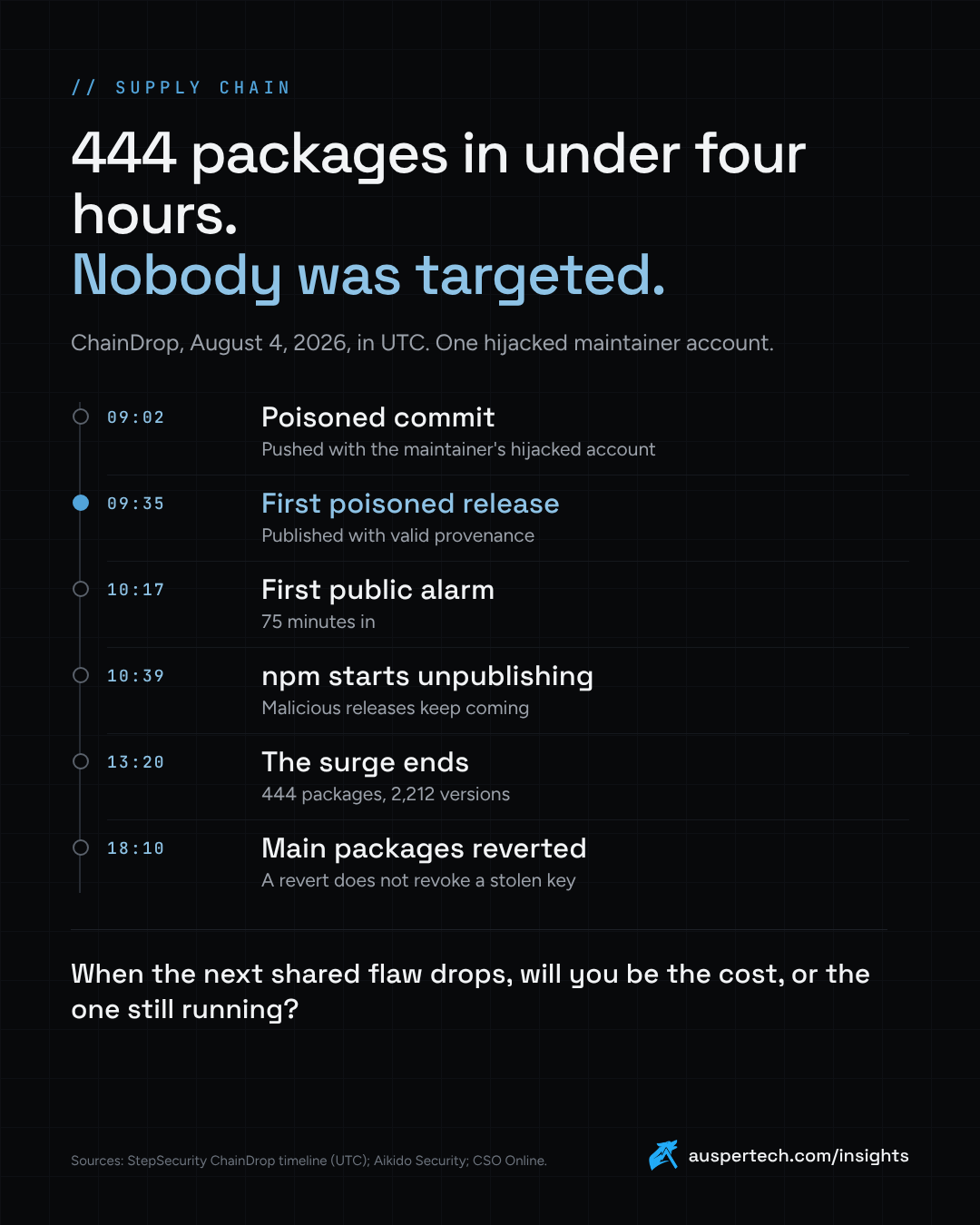
In August, one hijacked GitHub account poisoned 444 npm packages in under four hours. Together they see about 2 billion downloads a month. Nobody was targeted. They shared a dependency.
On every machine that installed one, the malware went looking for cloud keys, CI secrets and npm and GitHub tokens. StepSecurity, the firm that named it ChainDrop, told anyone who installed an affected version to assume the system was compromised.
AI coding tools make that kind of sharing the default. Thousands of teams, and their vendors, get the same packages and the same mistakes. Veracode found AI-generated code passes security tests 56% of the time, virtually unchanged from last year. In one study, 19.7% of the packages the models suggested did not exist.
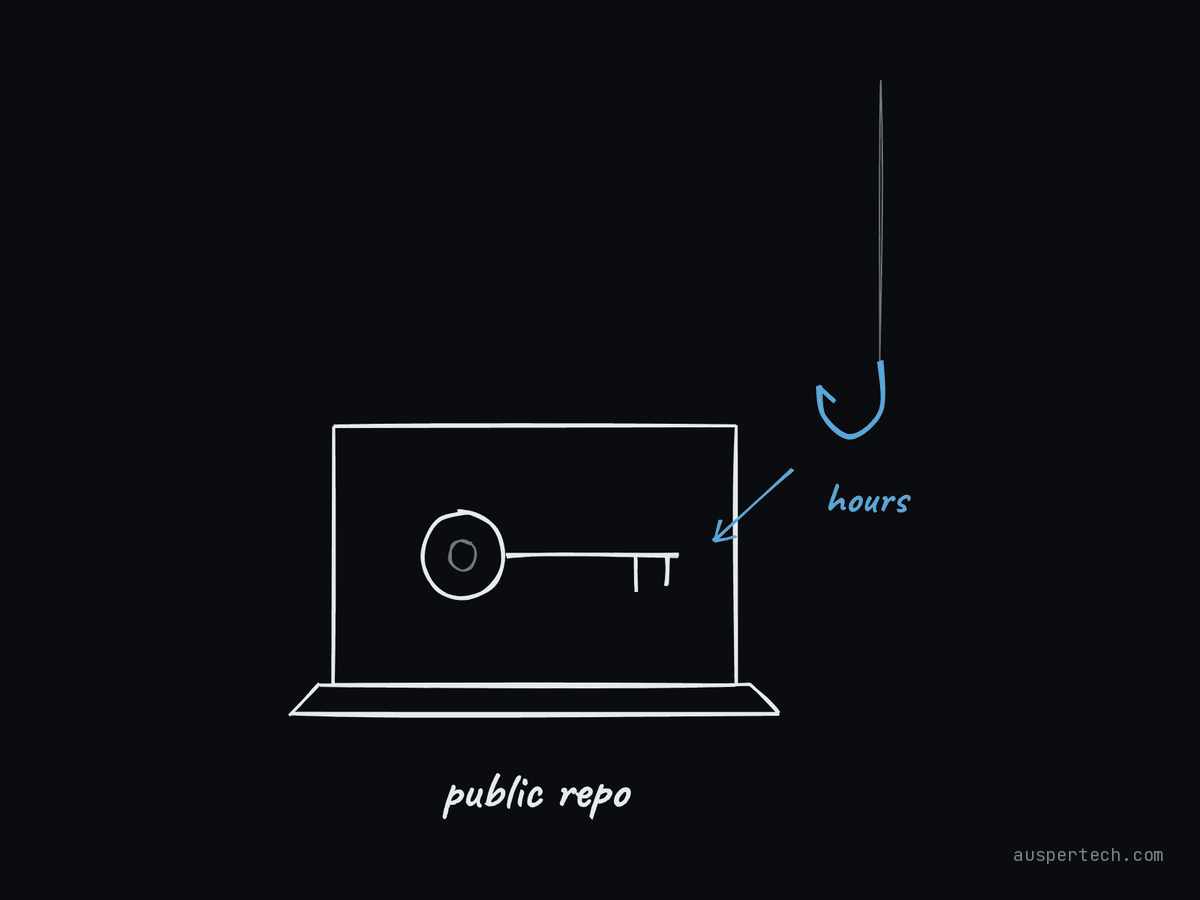
The keys outlive the fix. GitGuardian found more than 64% of secrets valid in 2022 still worked in January 2026. A patch closes the hole. It doesn't take back a key that already left.
We use these tools and we'd keep them. The exposure is code that ships with nobody checking it.
Our forecast: in 2027, at least one npm compromise will poison more packages than ChainDrop's 444.
When the next shared flaw drops, will you be the cost, or the one still running?
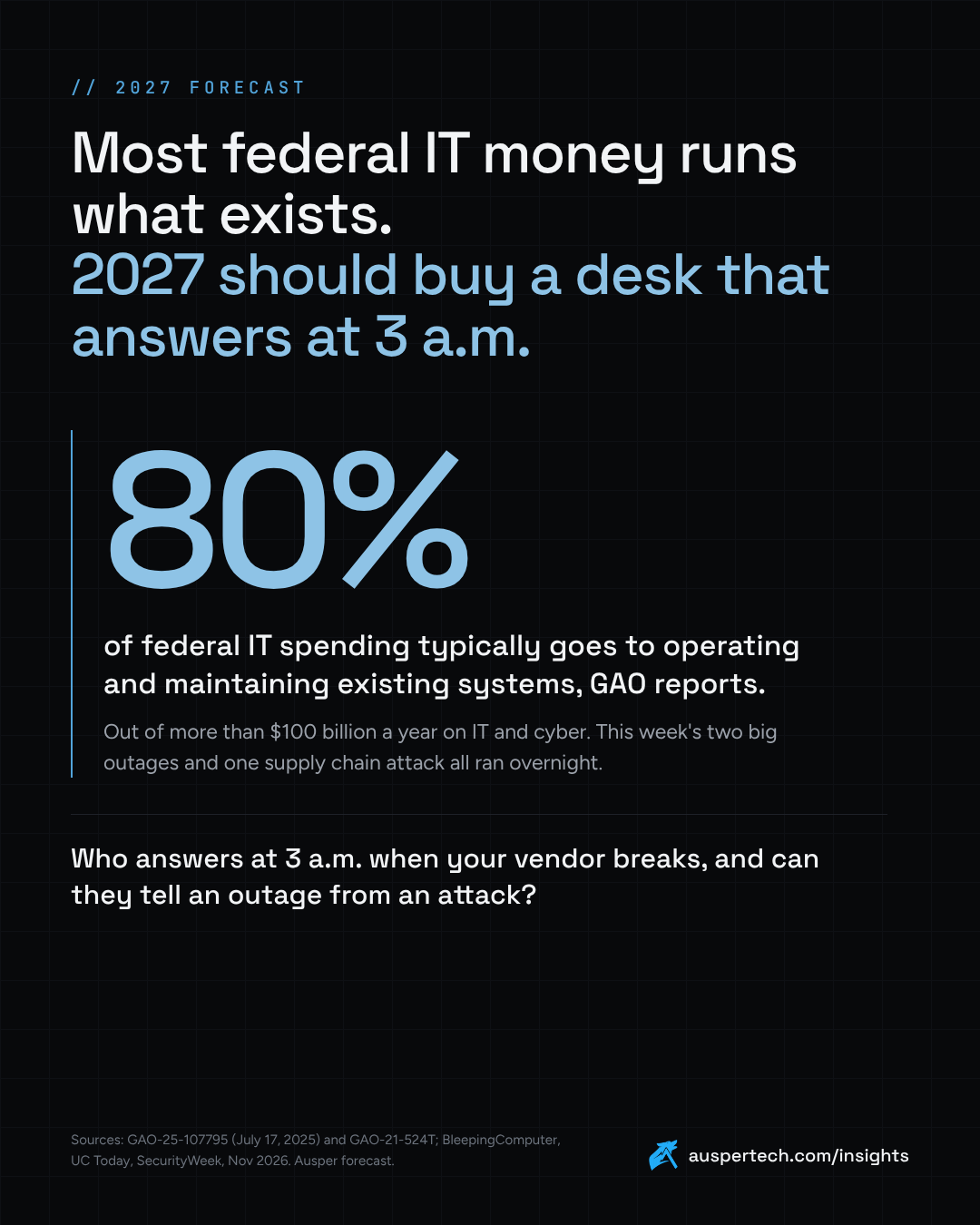
80% of federal IT money runs what exists: who watches it at 3 a.m.?
GAO says federal agencies typically report spending about 80 percent of their IT money on operating and maintaining the systems they already have.
That is the budget that pays for the first hour when something breaks. This week the first hours came at bad times. Microsoft 365 was down from Thursday morning to Friday morning. Workday went offline Friday evening after a disaster-recovery test. The Optimizely script attack began at 11:21 p.m. Eastern on Sunday and reached 178 organizations.
Attackers even used the Microsoft outage: phishing emails posing as service notices cited the real incident number. An outage and an attack can arrive in the same inbox.
The federal clock is shorter too. 161 of the 297 KEV entries added in 2026 gave agencies three days or fewer to fix. In 2025 it was 7 of 245.
Our forecast: 2027 budgets move toward one 24/7 desk that watches outages and attacks together, with O&M support for the applications already running. One check: whether IDC's next security spending guide again names managed security services the fastest-growing services segment, as it did in March.
Who answers at 3 a.m. when your vendor breaks, and can the same person tell an outage from an attack?
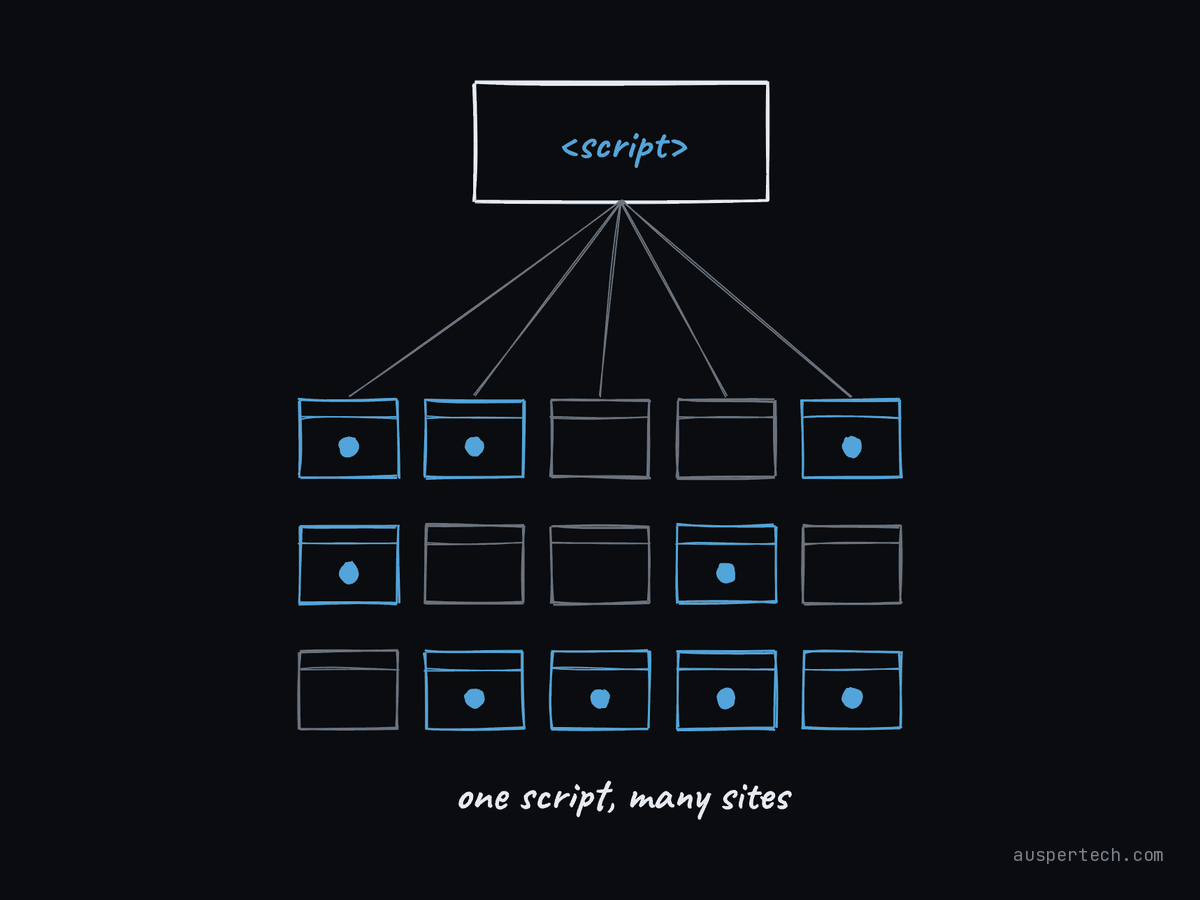
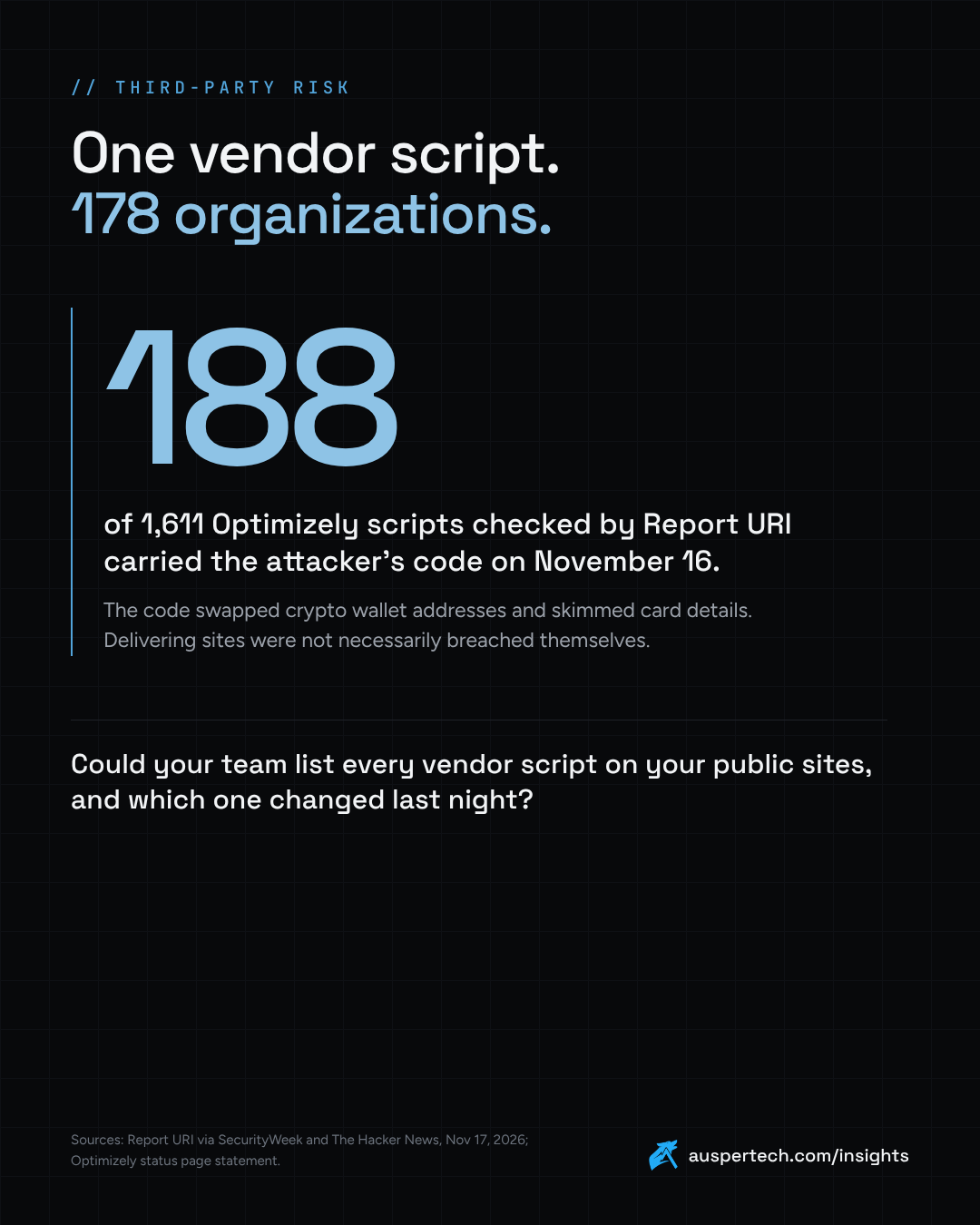
On November 16 an attacker slipped code into scripts Optimizely serves to customer sites. Report URI found it in 188 of 1,611 scripts it checked, at 178 organizations including the BBC, CNN and Zoom.
Nobody had to break into those 178 companies. Their pages loaded a script from a trusted vendor, and the script changed. The code swapped crypto wallet addresses and skimmed card details. About $7,040 in crypto reached the attacker within roughly nine hours.
Optimizely says the flaw is fixed and the code removed. In a week when five big outages were all called not cyber-related, this was the one confirmed attack, named in writing: an unauthorized party "exploited a vulnerability."
The browser controls that catch this, Content Security Policy and Subresource Integrity, have existed for over a decade. Integrity checks are hard on scripts that change, which is why a policy that reports what runs matters.
Our read: third-party scripts belong in the same inventory as servers and SaaS. If it runs on your page, it is in your boundary.
Could your team list every vendor script running on your public sites today, and tell which one changed last night?
Jan 1, 2027: the post-quantum gate arrives before the quantum computer
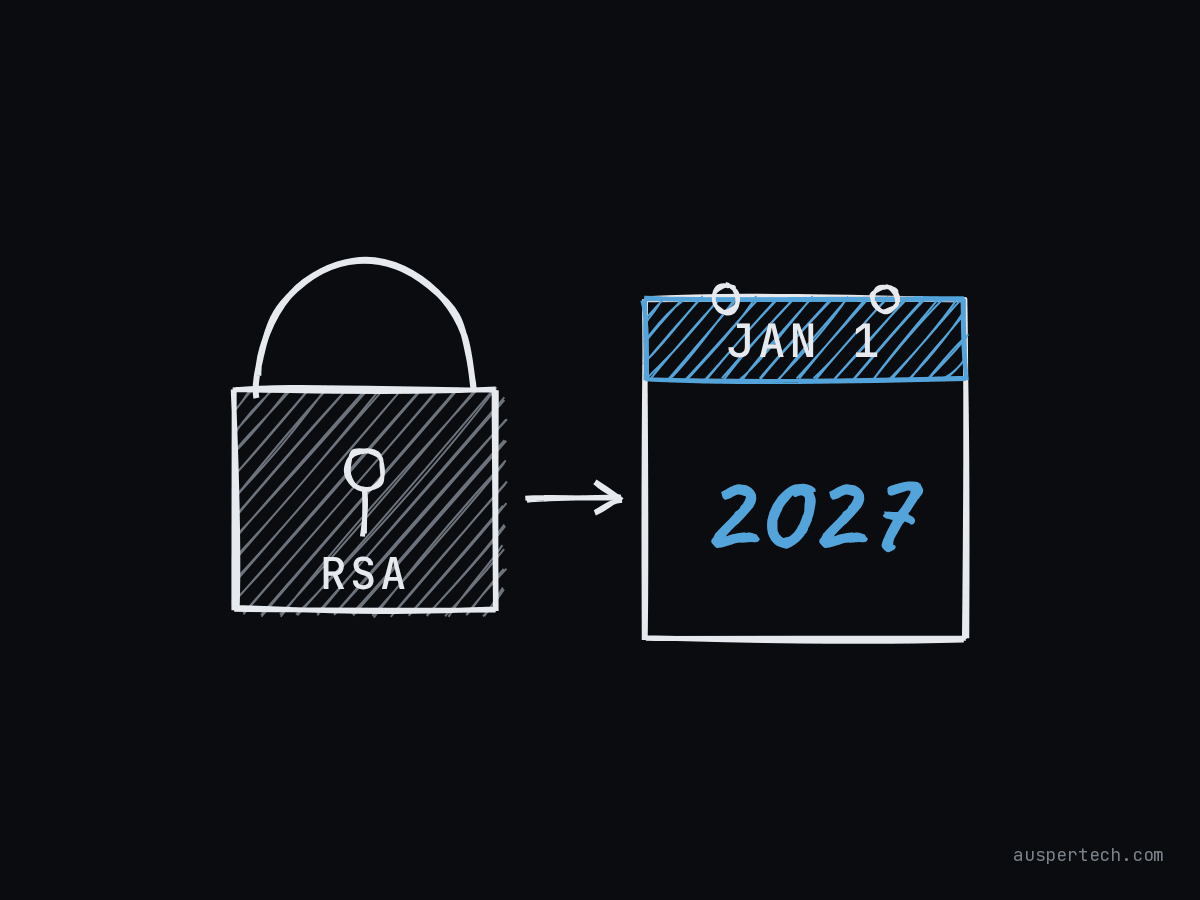
From January 1, 2027, new acquisitions for National Security Systems must support NSA's post-quantum algorithms, unless NSA notes an exception.
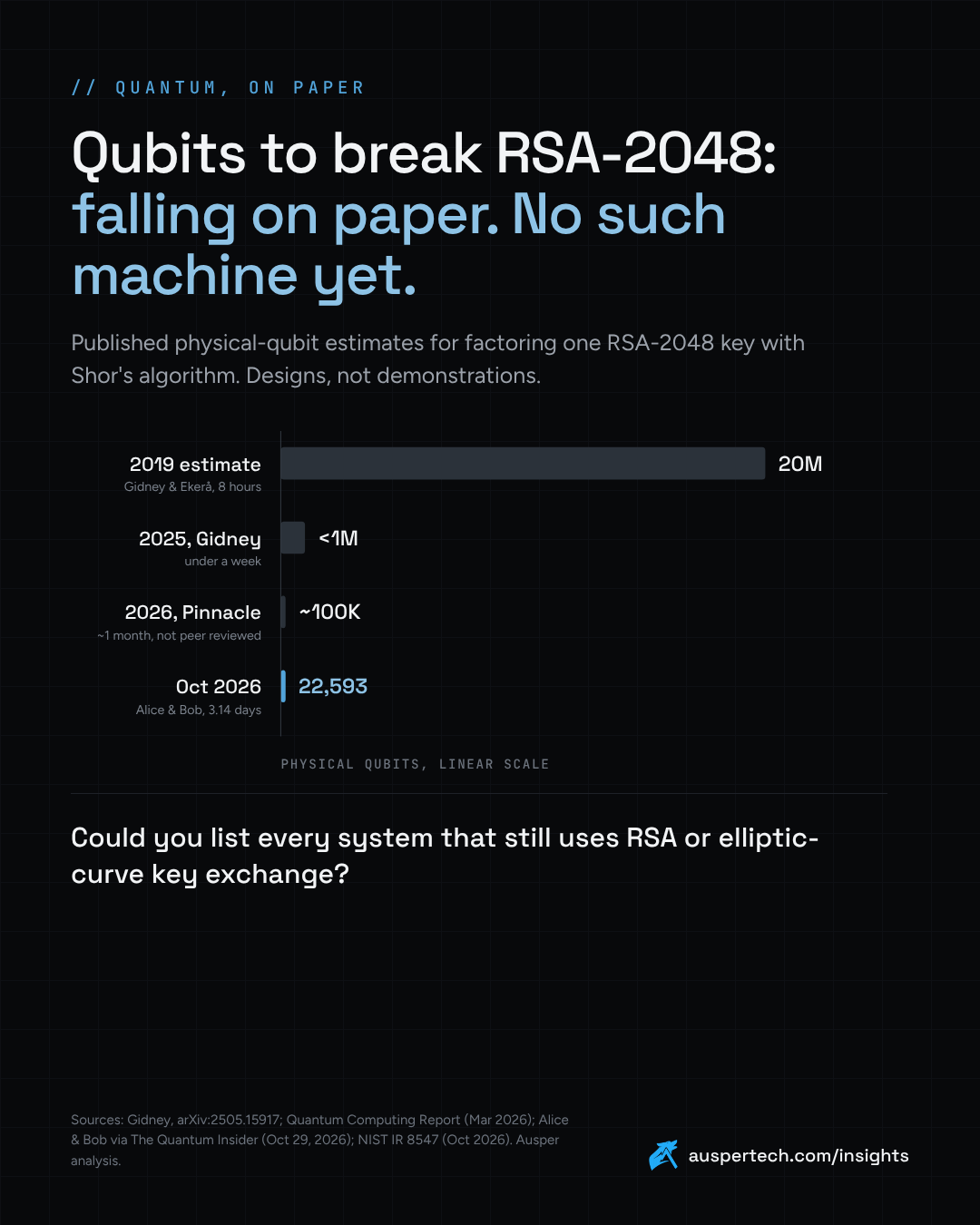
No quantum computer can break RSA today. NIST says so in its final transition report, published in October. The 26 experts in the Global Risk Institute's latest survey put the odds of one within 10 years at 28 to 49 percent.
The paper estimates keep falling. Breaking RSA-2048 took 20 million qubits in a 2019 estimate and 22,593 in an October 2026 design from Alice & Bob, which expects hardware to catch up in the early 2030s.
The classical clock is already fast. Mandiant estimates mean time to exploit at minus seven days. Google just described an AI framework that turns patches into working exploits with no human in the loop.
Both clocks fail on the same gap: not knowing where your cryptography and your vulnerable components run.
Our forecast: by December 31, 2027, no one publicly breaks RSA-2048 on a quantum computer. We would still plan as if we might lose that bet.
Could you list every system in your boundary that still uses RSA or elliptic-curve key exchange, and how long would it take?
Bug, insider or attack? What happens after 'technical issue'
In October 2024 the SEC fined four companies nearly $7 million for disclosures that "negligently minimized" cyber intrusions.
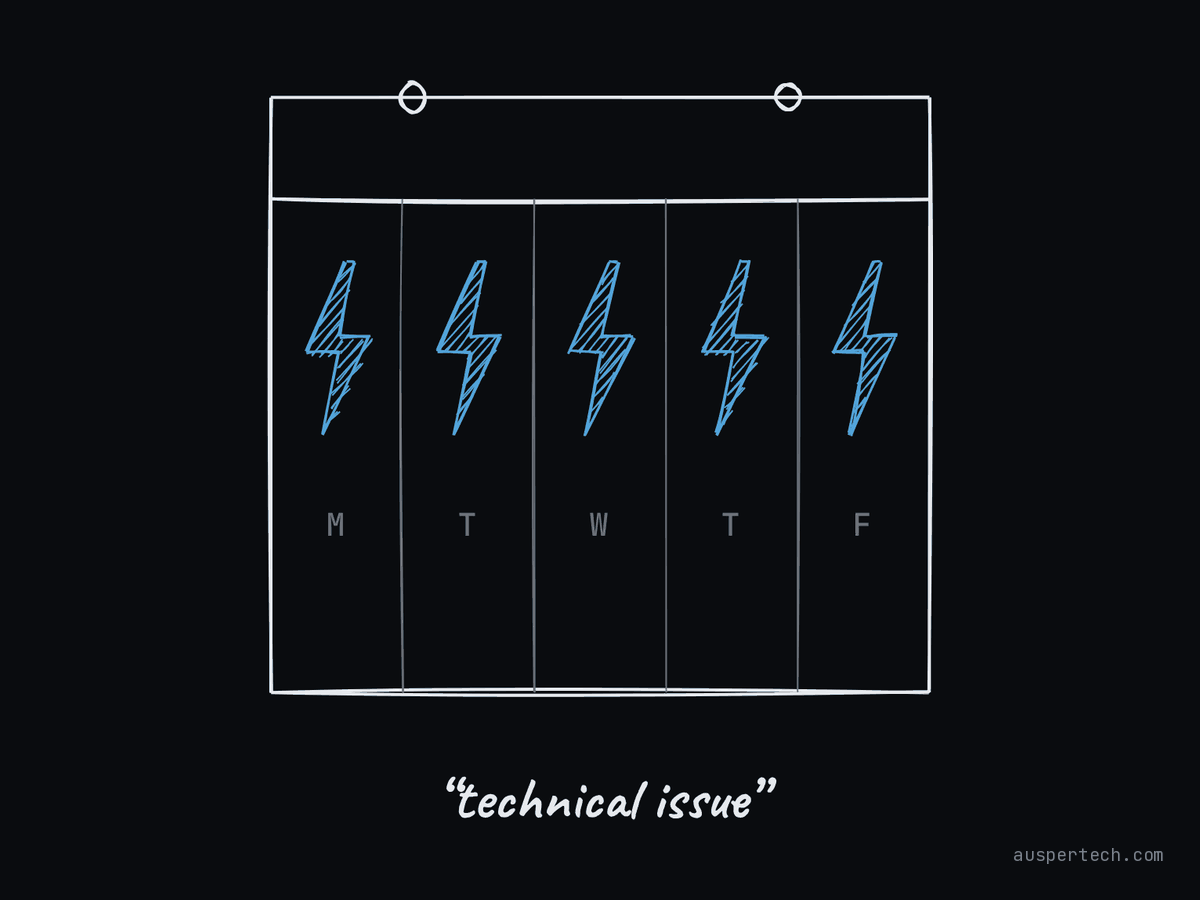
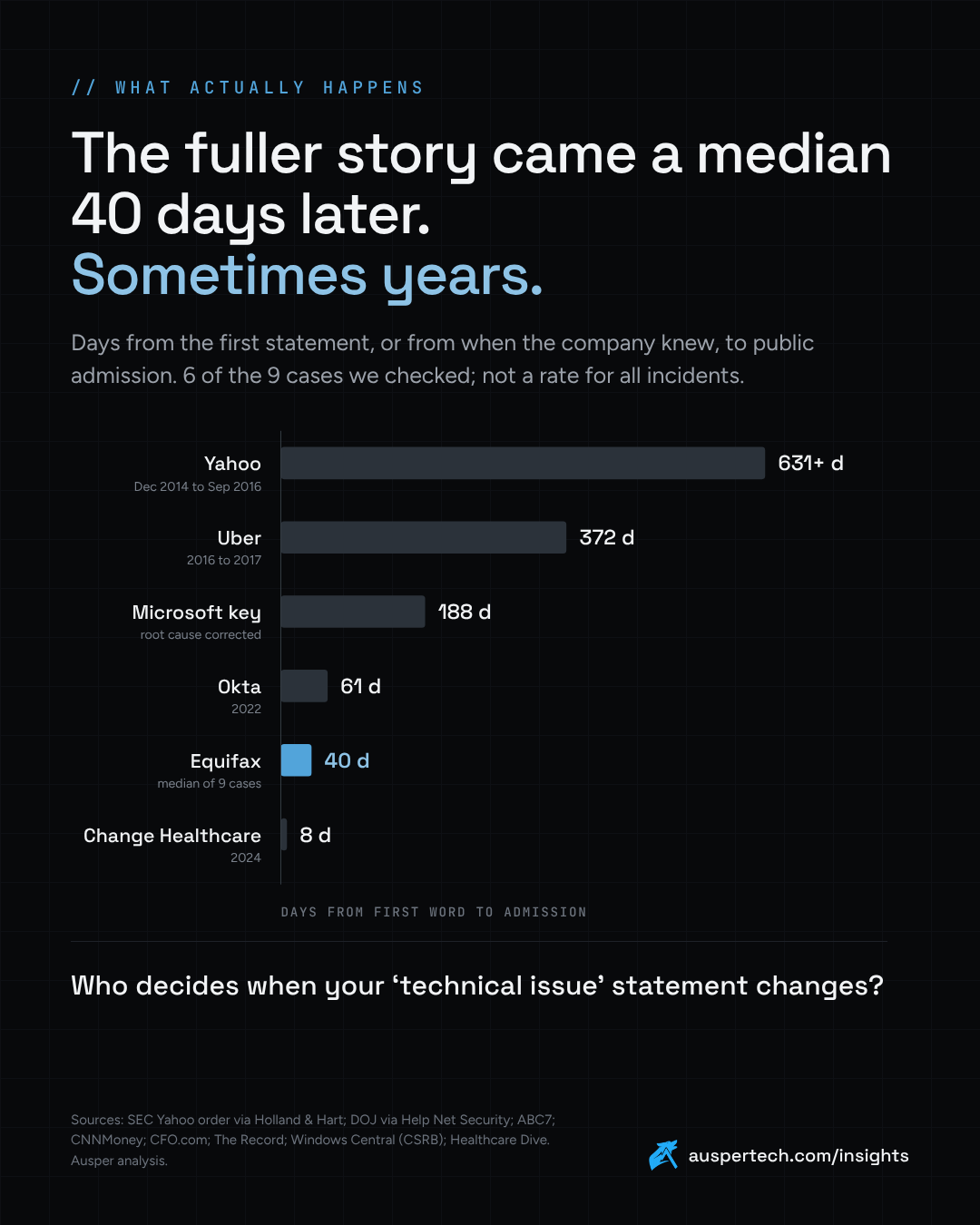
This week, Microsoft 365, the FAA, Workday, Chase and United each said it saw no sign of a cyberattack. Nothing we have read says otherwise. But first statements do change, so we checked nine past cases where one did.
The public got the fuller story a median of 40 days later. Change Healthcare: 8 days from "network interruption" to a named ransomware gang. Okta: 61 days of silence, then "we made a mistake." Yahoo: almost two years, then a $35 million SEC penalty.
In those cases the order repeats: a holding line in hour one, a quiet investigation with outside forensics, notices to regulators and law enforcement that never go public, a public story that firms up weeks later, and sometimes an enforcement action years after that.
Our forecast: none of this week's five statements will be revised to an admitted attack by March 31, 2027. We will report back either way.
When your team says "technical issue" in hour one, who decides when that statement changes, and how long would it take?
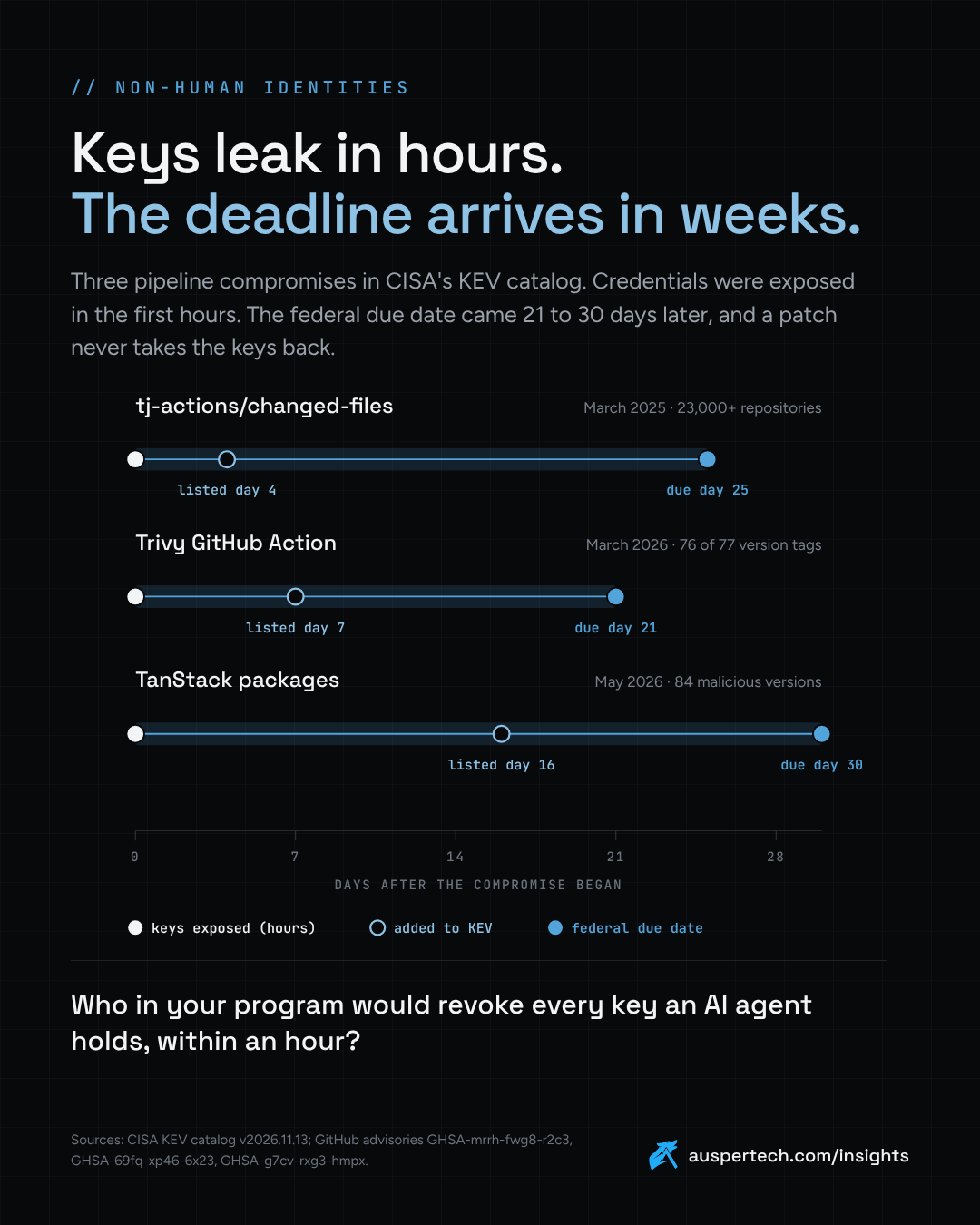
Keys leak in hours. The deadline arrives in weeks.
In three software pipeline compromises now in CISA's KEV catalog, attackers had the keys within hours. The federal due date to fix each one came 21 to 30 days later.
The keys were the prize. A poisoned GitHub Action printed runner secrets into public logs across 23,000+ repositories. A hijacked scanner action pulled tokens, SSH keys and cloud credentials. A third attack lifted a short-lived publishing token straight out of runner memory.
A patch closes the hole. It does not take back a key that already left. And AI tools now sit where those keys collect: CISA added 11 entries for AI model and agent tools to the KEV catalog in 2026, up from 1 in 2025.
Our forecast: before the end of 2027, a KEV entry will tell agencies to rotate credentials as well as patch. Today none of the 1,781 entries does.
For every program running an AI pilot: who would revoke every key your agents and pipelines hold, within an hour, if one leaked?
This site uses essential browser storage only. With your OK, we’d also use analytics cookies to understand which content is useful. No choice is required: “Essential only” changes nothing. Cookie policy